

Description
Overview
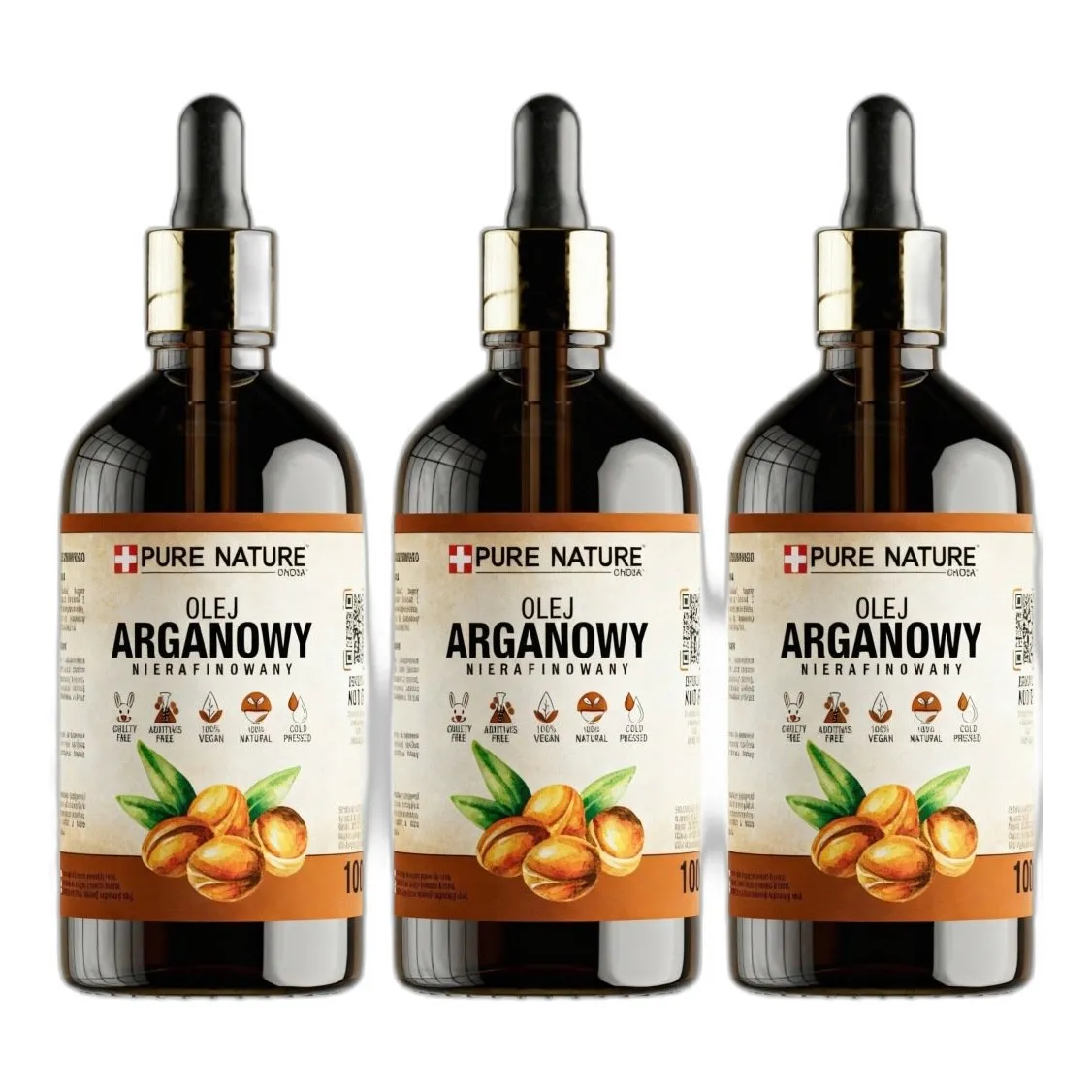
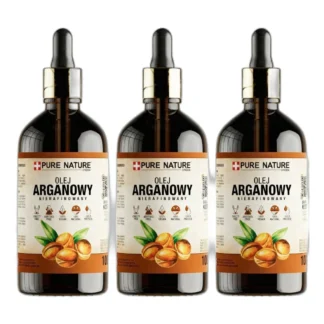
Argania spinosa oil is a plant-based fixed oil derived from argan tree kernels. Dominated by oleic acid (C18:1) and linoleic acid (C18:2) glycerides. CAS No: 8001-24-9. Form: Clear to golden liquid. Purity: ≥99% by GC and TLC. Molar mass: ~870 g/mol (average). Density: 0.918 g/mL at 20°C. Refractive index: 1.467. Supplied as three 100ml amber glass bottles. No additives, fragrances, or diluents. For laboratory, industrial, and research applications only.
Applications
Used in transdermal delivery system development. Applied in oxidative stability assays with radical initiators. Employed in cosmetic base oil comparison studies. Suitable for viscosity and pour point analysis. Utilized in surfactant compatibility screening. Supports research on natural oil behavior under UV exposure. Used in polymer-lipid interaction testing. Ideal for calibration in lipidomics workflows.
Specifications
Appearance: Light golden. Odor: Mild, nutty. Solubility: Insoluble in water; soluble in organic solvents. Acid value: ≤2.8 mg KOH/g. Peroxide value: ≤4.5 meq/kg. Iodine value: 82–90. Saponification value: 188–198 mg KOH/g. Storage: Keep in dark, cool place. Avoid metal contamination. Shelf life: 24 months. Compatible with glass, PP, HDPE. Incompatible with strong oxidizers.
Safety
GHS07: Warning. H315: Causes skin irritation. H317: May cause allergic skin reaction. H335: May cause respiratory irritation. P261: Avoid breathing mist. P280: Wear protective gloves. P302+P352: Rinse skin with water. Use in fume hood when aerosolizing. Not for internal use. For technical and laboratory purposes only.
FAQ
Can this oil be used in lipidomics?
Yes. Consistent composition supports reliable profiling and quantification.
Is it stable under UV light?
No. Degrades under prolonged UV; use amber glass and store in dark.
What is the best storage method?
Store under nitrogen, at 4–8°C, in amber glass with tight seal.
Can it be used in saponification experiments?
Yes. High triglyceride content ensures predictable reaction yields.
Is it compatible with silicone oils?
Yes. Forms stable blends for material compatibility testing.
References
PubChem – Argan Oil | Wikipedia – Argan Oil | ECHA | SDS available via HarutyunyanEN customer service.
Reviews
There are no reviews yet.